

Key Principles of Building Effective Tools
Here are the key principles for building effective tools:Standalone
Configurable
Composable
What are Tools?
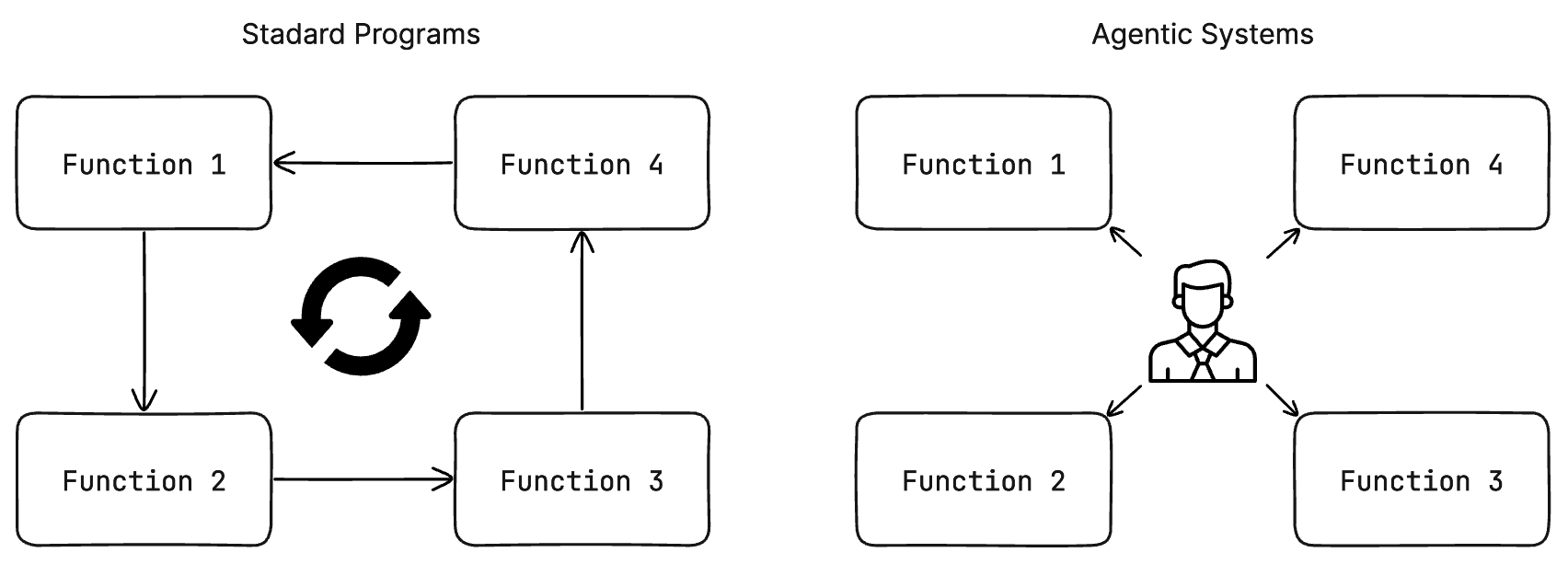
At a high level, tools represent the capabilities that your agents have. Tools enable your agents to perform specific tasks necessary to fulfill their designated roles. For instance, just as a real virtual assistant can search the web or send emails, the virtual assistant agent can be equipped with similar tools. Below are some more examples of tools:- FileWriter: A tool that allows an agent to write code or text to a file.
- CommandExecutor: A tool that allows an agent to execute terminal commands.
- LeadUpdater: A tool that allows an agent to update a lead in a CRM.
- LinkedInProfileScraper: A tool that allows an agent to scrape a LinkedIn profile.
- FacebookAdCreator: A tool that allows an agent to create a Facebook ad.
Built-in Tools
Agency Swarm ships with several ready-to-use tools:- IPythonInterpreter - Execute Python code in an isolated environment
- PersistentShellTool - Run shell commands with persistent state
- LoadFileAttachment - Load and process local files (images, PDFs)